Why Aircraft Cabin Design Matters More in Emergencies
Something goes wrong at 35,000 feet. A passenger’s heart stops. Someone can’t breathe. Another person passes out cold. The airplane cabin suddenly becomes an emergency room, and how that space was built determines who lives and who doesn’t. American flights deal with these situations daily, and the cabin itself plays a bigger role than most people think.
When Seconds Count
Bad things happen fast on planes. Someone grabs their chest and gasps. A person drops in the aisle like a stone. Flight attendants have maybe three minutes before brain damage starts. Four minutes until things get really bad. How fast do they move through that cabin? That’s what counts.
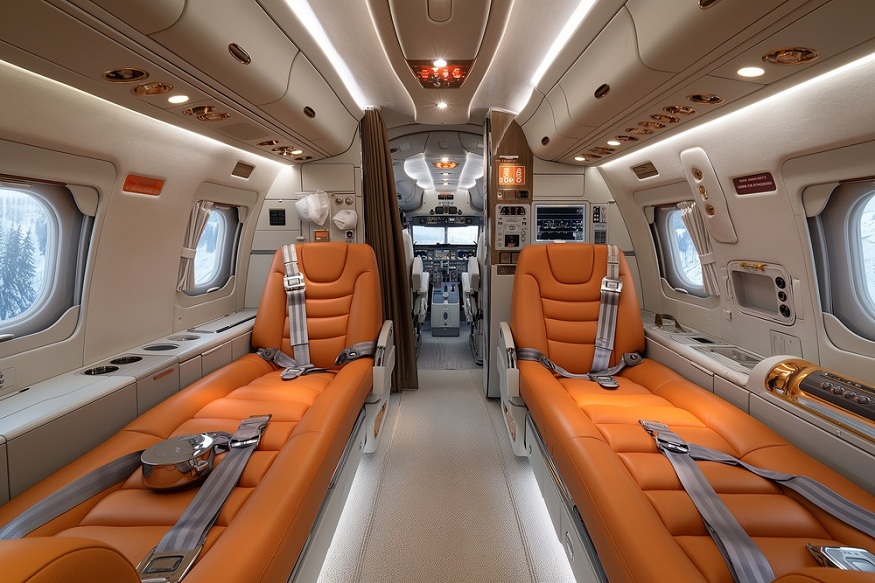
Wide aisles beat skinny ones every time. Crews sprint to reach victims. Some planes now have flat spots near the kitchen areas where you can stretch someone out. Overhead bins that pop open smooth and easy. They matter when you’re grabbing oxygen masks in a panic. Bathroom doors are getting redesigned too. Old ones opened inward, trapping unconscious people inside. New ones swing out so crews can drag someone to safety.
According to the people at LifePort, where you place the medical gear changes everything. Defibrillators bolted to walls beat ones stuffed in closets. Medical kits sitting right where crews can grab them save time nobody has to spare. The air medical equipment gets spread around the cabin based on how people actually move during chaos, not what looks neat on a blueprint.
Space to Work, Room to Breathe
Ever tried doing CPR in a phone booth? That’s what helping sick passengers feels like on cramped planes. Flight attendants need elbow room. So do the doctors and nurses who volunteer to help during flights. Armrests that pop off completely; that’s smart thinking. Now you’ve got space to pump someone’s chest properly. Seats that go totally flat give better angles for treatment. Dead space near emergency exits becomes a makeshift operating room. Small tweaks to cabin layout suddenly matter a whole lot when someone’s dying.
Overhead bins cause problems too. Low ones smack you in the head while you’re trying to help someone having a seizure. High ones let you stand up straight. The cabin ceiling height? Same deal. You need room to move unconscious people around, flip them over, get them into recovery positions. Designers who get this stuff right save lives.
Communication and Control Systems
Emergencies turn into disasters when crews can’t talk to each other. Engine noise drowns out voices. People scream. Intercoms that cut through the racket keep everyone coordinated. Some planes pipe in doctors from the ground who walk crews through tricky medical procedures.
Light changes everything during emergencies. Dim lighting hides injuries. Super-bright LEDs show exactly where someone’s bleeding. Emergency strips on the floor glow even when main power fails. Different colored lights mark exit paths through smoke. Designers plan for absolute chaos, then work backward from there. Temperature zones throughout the cabin help treat different problems. Someone with heat exhaustion needs cool air fast. Shock victims need warmth. Modern planes let crews adjust sections independently. The guy that has heat stroke gets cooled down while the lady in shock gets warmed up, and everybody else stays comfortable.
Conclusion
Every medical emergency teaches designers something new. Wider aisles appeared after crews couldn’t reach heart attack victims fast enough. Better equipment placement came from studying actual emergencies, not theoretical ones. Communication systems improved after doctors on the ground couldn’t guide crews clearly. Each change makes the next emergency a little less deadly. Aircraft cabins keep evolving into spaces where medical help actually works, giving regular passengers real chances to survive when their bodies fail them five miles up.